Our team brings together experts and cross-disciplinary professionals from Hong Kong, mainland China, and international research backgrounds to support research organization, platform building, clinical collaboration, and translation.
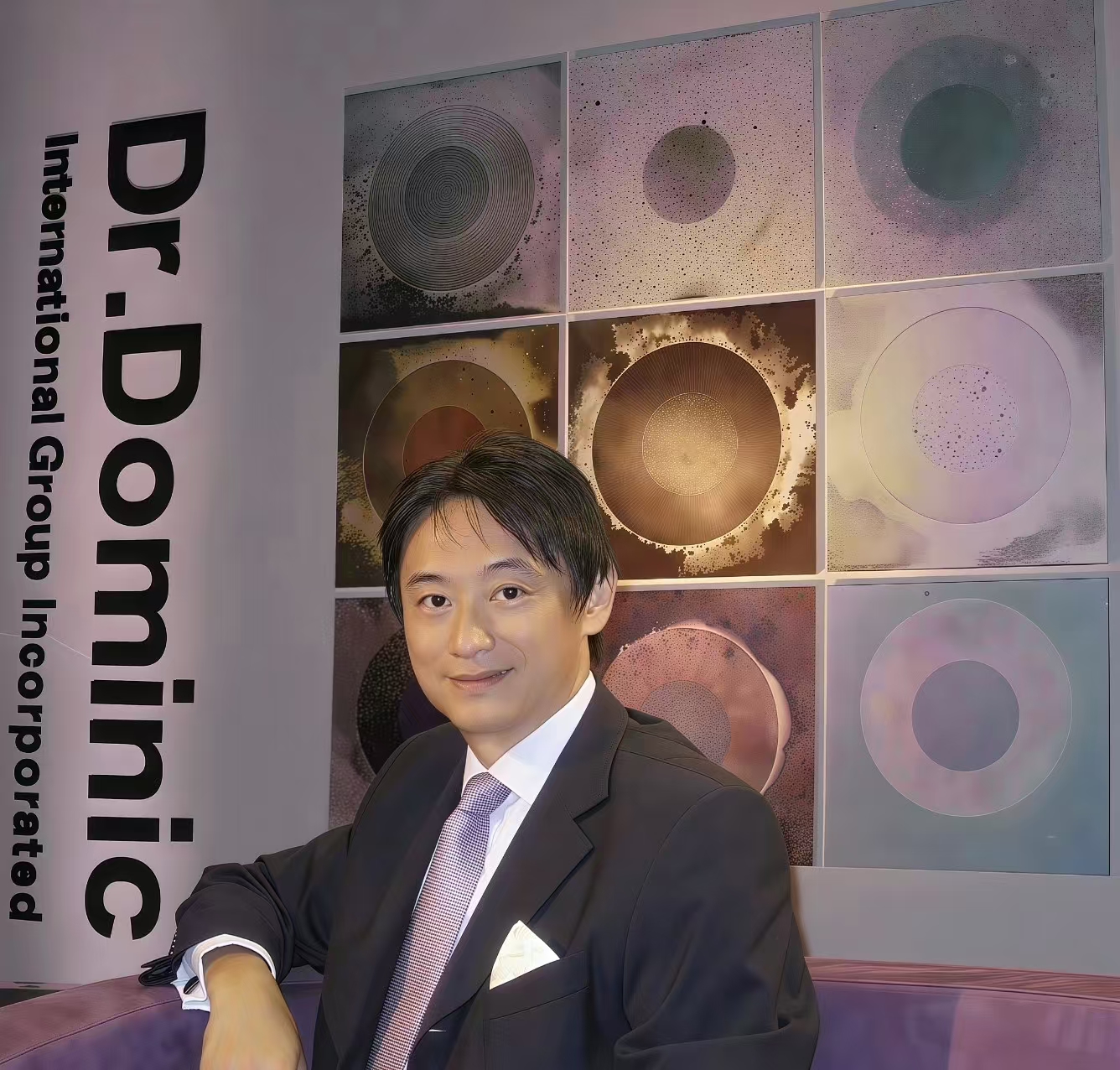
International Biomedical Scientist
A long-standing leader in biotechnology, ophthalmology, neuroscience, and oral vaccine research with experience spanning scientific innovation, industry practice, and international collaboration.
Biotechnology
Ophthalmology
Oral Vaccines
View Profile >>
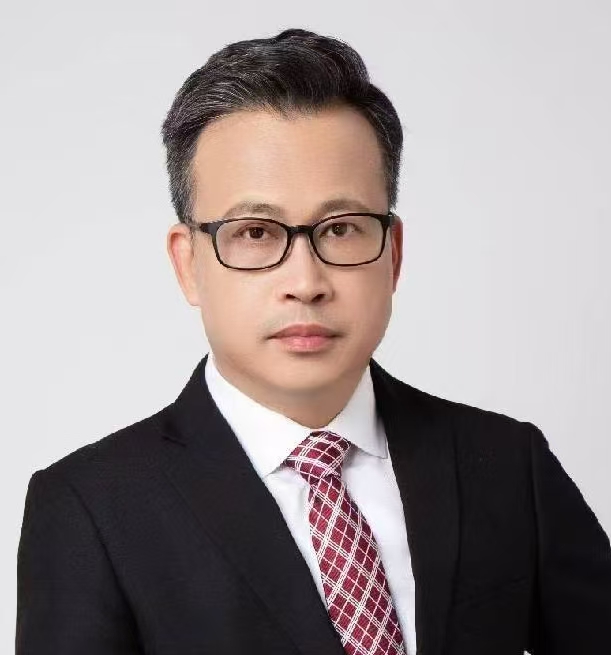
Hon. Dr. of Biomedical Sciences (Duke University); Fellow, RSM (Pharmacy); Fellow in Biomedical Engineering, HKIPAB
Doctor of Biomedical Science, Honorary Degree conferred by Duke University, Huang Xirun, Director of Chunlin Synthetic Biology Research Institute, Yuelu Mountain Laboratory, holds MD from Ross Business Institute (Silicon Valley), Honorary Doctorate in Biomedicine from Duke University, FRSM in Pharmaceutical Engineering and Fellow in Biomedical Engineering of the Hong Kong Industrial Professional Assessment Bureau, an interdisciplinary academician integrating scientific research, industrial operation and commercial management.
Patent Translation
Antiviral Programs
Industry-Academia Collaboration
View Profile >>
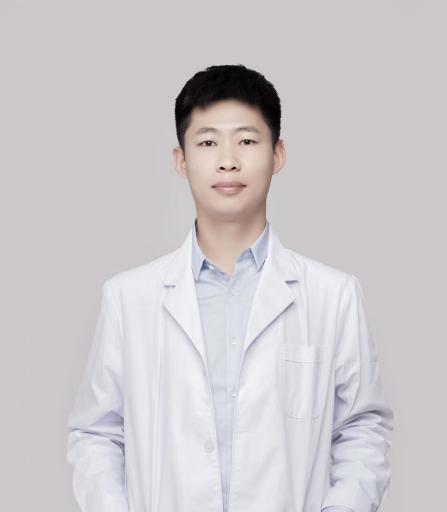
Professor, Department of Interdisciplinary Science for Biomedicine & Chinese Materia Medica (MD)
High-Level Introduced Talent in Hebei Province · Director of the Teaching and Research Office of TCM Classics, Chengde Medical University
Zhang Zhibin, Male, PhD from Chengde Medical University, High-level Talents Introduced in Hebei Province.
He currently serves as Director of the Traditional Chinese Medicine Classics Teaching and Research Section at Chengde Medical University. He has long been committed to research on the modern clinical application of classical prescriptions and the international dissemination of traditional Chinese medicine (TCM) culture.
TCM Classics
Classical Formula Practice
Acupuncture and Herbal Therapy
View Profile >>
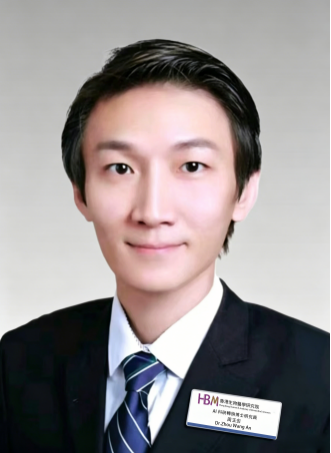
Professor, Division for AI‑Biomedical Automation & Computer Big‑Data Programming (PhD)
Managing Director of Macau Concentration Technology · Digital Health and Smart City Specialist
Dr. Penny Wong-On CHAO holds a PhD in Public Administration from the University of Macau and has 20 years of technology enterprise management experience, focusing on smart cities, digital health, the silver economy, and technology commercialization.
Smart Cities
Digital Health
Technology Commercialization
Greater Bay Area Collaboration
View Profile >>
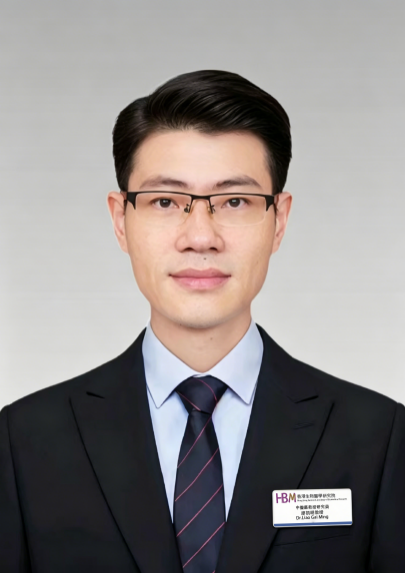
Professor, Division of R&D of New Technologies in Traditional Chinese Medicine
Chief TCM Physician · Master's Supervisor · Vice President of Hospital
Liao Kaiming is a chief TCM physician, master's supervisor, and hospital vice president. Recognized as an outstanding Lingnan TCM talent and renowned TCM physician in Zhanjiang, he has worked in TCM internal medicine, teaching, research, and hospital management for 25 years.
TCM Internal Medicine
Spleen-Stomach Diseases
Pulmonary Disease Care
Integrated Chinese-Western Medicine
View Profile >>
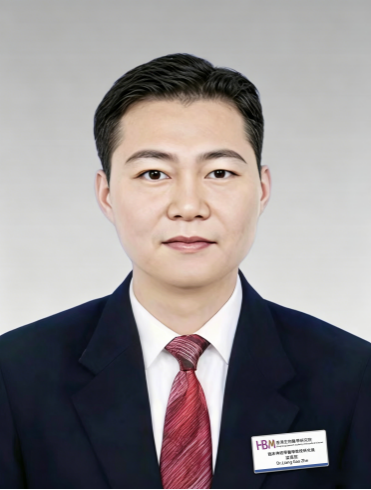
Department of Clinical Neurology Dr. (Senior Professional Title DR)
Guangdong Medical University · Neurorehabilitation and Orthopedic Rehabilitation Specialist
Liang Gaozhe is affiliated with Guangdong Medical University and works in neurorehabilitation, orthopedic rehabilitation, and frontline clinical practice, specializing in traditional and modern rehabilitation methods for stroke sequelae, sports injuries, and cervical and lumbar pain.
Neurorehabilitation
Orthopedic Rehabilitation
Traditional Rehabilitation
Sports Injuries
View Profile >>
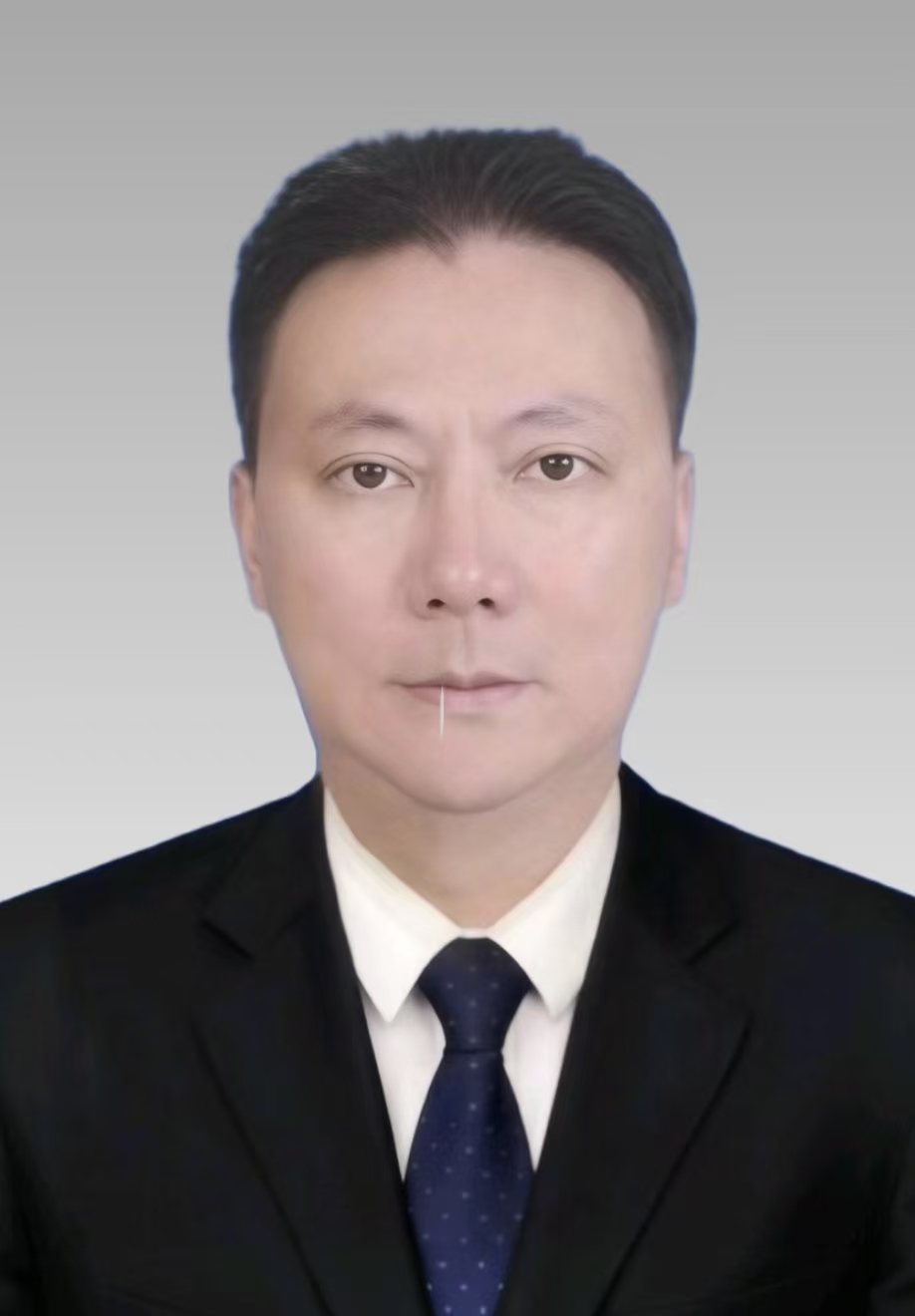
Department of Clinical Neurology Dr. (Senior Professional Title DR)
Chief Physician (Senior Professional Title), Department of Rehabilitation Medicine
Director Huang Wei of the Second Affiliated Hospital of Guangdong Medical University, academic leader of the Rehabilitation Medicine Department, boasts over 20 years of experience in clinical rehabilitation. He specializes in personalized rehabilitation and chronic pain management with integrated Chinese and Western minimally invasive therapies for complicated rehabilitation cases.
View Profile >>
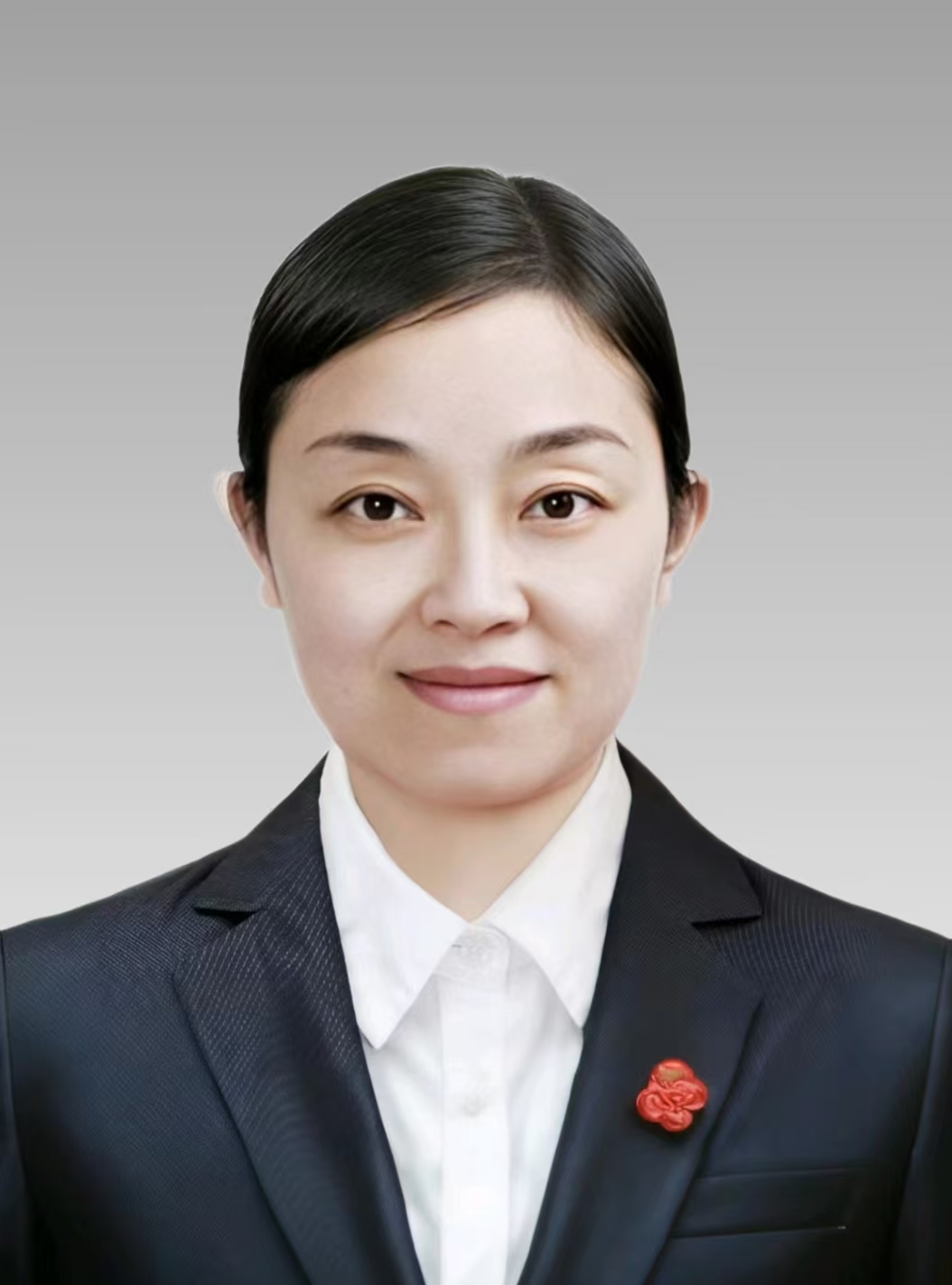
Professor, Department of Medical AI & Big Data
Intelligent Medical School, Chengdu University of Traditional Chinese Medicine
Associate Professor at the Intelligent Medical School of Chengdu University of Traditional Chinese Medicine and ISO International Standardization Registered Expert. Her main research covers digitalization of traditional Chinese medicine (TCM), medical big data mining, AI-based intelligent TCM syndrome differentiation, and smart healthcare information systems. She focuses on the interdisciplinary integration of artificial intelligence technology and traditional Chinese medicine, and specializes in TCM clinical data modeling, health data security, and the application of blockchain in medical services.
View Profile >>